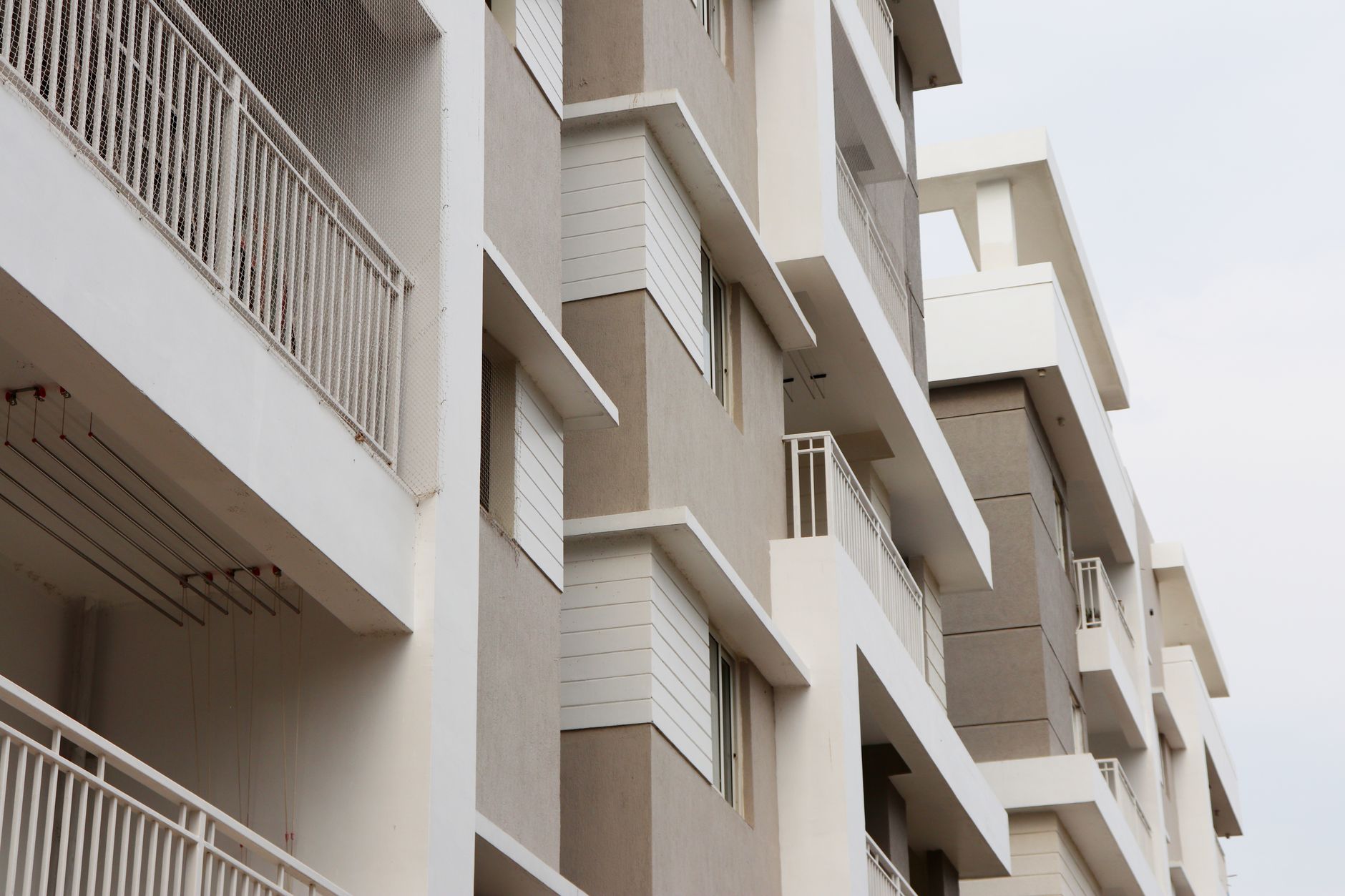
Most of what is sold in Dholera today is plotted land, not flats. That is because Dholera is an early-stage greenfield smart city: the Activation Area of about 22.5 sq km carries trunk infrastructure, but the wider 920 sq km region is still being built in phases toward around 2040, so large-scale residential towers are largely a future part of the story rather than a present one. Plots dominate because they suit long-horizon land buyers and because the built city is still years away. A plot gives you land and flexibility but no rental income and a long wait; a future flat gives a usable home but depends on a developed neighbourhood being in place. Whichever you choose, the same checks apply: RERA registration, clear title, the 7/12 record and Non-Agricultural status for the exact plot.
Should you buy a plot or a flat in Dholera? Right now, for most buyers, the practical answer is a plot, because that is what mostly exists. Dholera is an early-stage greenfield smart city, and at this point in its build-out the market is dominated by plotted land rather than finished apartments. Large residential towers are largely a future part of the story that follows a developed, populated neighbourhood. This entry explains what is actually available, why plots dominate the early stage, and the trade-offs and checks for each path.
Dholerapedia is an independent, neutral reference. It does not sell plots or flats and does not recommend any developer. This is information, not investment advice. Where something is a future phase rather than a present reality, we say so.
What is available today
The most developed part of Dholera is the Activation Area, roughly 22.5 sq km inside Town Planning Scheme 2, which carries motorable roads, underground utilities, drainage, water and the ABCD command centre. Around and beyond it, much of the 920 sq km region is still farmland and future Town Planning schemes being built over roughly 30 years toward around 2040. In that setting, organised plotted developments are the dominant residential product, while ready-to-move apartment stock at scale is limited. A plot is land; a flat needs a built tower, which needs a developed surrounding city first.
Why plots dominate the early stage
Plots lead at this stage for structural reasons, not marketing. First, timing: a greenfield city is built infrastructure-first, and land is the natural product before the built city arrives. Second, the buyer profile: Dholera suits patient, long-horizon buyers who are comfortable holding while the city develops, and land fits that horizon better than a flat that would sit empty for years. Third, developer economics: selling plots lets developers monetise land early, while vertical residential construction typically follows demand from a working population. The result is a market where plots are the norm and flats are mostly future or limited.
Plots: pros and cons
A plot is a piece of land you own outright, to hold or build on later. Its strengths and weaknesses both flow from that.
- Pros: you own the land itself and control when or whether to build; there is no building to depreciate or maintain; plots suit a long holding period; and units are usually quoted per square yard or square foot, which are easy to compare once you convert them.
- Cons: a bare plot generates no rental income while you hold it; you wait for the surrounding city to develop before it becomes usable; and an empty plot needs safeguarding against encroachment and title disputes. Appreciation is an expectation, not a promise.
To compare plot sizes and rates fairly, first get the units straight using the Gujarat land units guide, then read the wider Dholera plot prices context.
Flats: pros and cons
A flat, or built residential unit, is a different proposition, and at present largely a future one in Dholera.
- Pros: it is a usable home or a potentially rentable asset once the area is developed; it comes with shared amenities and maintenance handled collectively; and it needs no separate construction effort from you.
- Cons: at an early-stage city a flat can sit in a sparsely populated area for years, which limits rental prospects; the value depends heavily on the surrounding neighbourhood actually being built; and buildings depreciate and carry ongoing maintenance costs. "Ready flats" marketed far from live infrastructure deserve extra scrutiny.
Plots vs flats at a glance
| Factor | Plot | Flat |
|---|---|---|
| Availability in Dholera now | Dominant product | Largely future or limited |
| Income while holding | None | Possible rent once area is developed |
| Best suited to | Long-horizon land buyers | Buyers wanting a usable home later |
| Ongoing upkeep | Guard against encroachment | Maintenance and depreciation |
| Depends on | Region developing over time | Neighbourhood being built and populated |
| Verification needed | RERA, title, 7/12, N.A. | RERA, title, approvals, completion |
Source: Dholerapedia Fact Pack. The stamp duty of 4.9% plus a 1% registration fee applies to a property purchase in Gujarat whether it is a plot or a flat.
The checks that apply either way
Whichever you choose, the verification is the part that actually protects you, and it does not change much between a plot and a flat. Both should be bought from a project registered with the Gujarat Real Estate Regulatory Authority (GUJRERA), with the registration number confirmed on the official portal. For both, confirm clear, dispute-free title, pull the 7/12 land record, and check Non-Agricultural (N.A.) status for the exact survey number, since agricultural land cannot carry legal construction. For a flat, additionally confirm the building approvals and, where relevant, the completion or occupancy position. Prefer property inside sanctioned Town Planning schemes and near confirmed infrastructure.
- Confirm the GUJRERA registration number yourself on gujrera.gujarat.gov.in.
- Verify clear title, the mother deed and a 30-year Encumbrance Certificate.
- Pull the 7/12 extract for the exact survey number.
- Confirm N.A. status; for a flat, also check building approvals and completion.
- Get the all-in price and payment schedule in writing, and never rush a payment before due diligence is complete.
For the full purchase flow, see how to buy a plot in Dholera, and to choose who to deal with, use the neutral Dholera developers directory.
Frequently asked questions
Are there flats available in Dholera right now?
Why are mostly plots sold in Dholera?
Is it better to buy a plot or a flat in Dholera?
Do the same checks apply to plots and flats?
Does a plot earn any income while I hold it?
Is the stamp duty different for a plot versus a flat?
Dholerapedia. (2026). Plots vs Flats in Dholera: What Is Actually Available and Why. Retrieved 16 July 2026, from https://dholerapedia.com/plots-vs-flats-in-dholera.htmlSources & references
- Dholerapedia Fact Pack, 2026 (Activation Area ~22.5 sq km, region ~920 sq km, phased build toward ~2040, land quoted per sq yard or sq foot, Gujarat stamp duty 4.9% plus 1% registration, RERA and N.A. verification)
- Dholerapedia entries: how to buy a plot in Dholera, Dholera plot prices, Gujarat land units conversion, developers directory
- Gujarat Real Estate Regulatory Authority (GUJRERA), gujrera.gujarat.gov.in
Dholerapedia labels facts by confidence. Figures marked reported or target come from press or announcements and may change; verify anything time sensitive against the official source before acting.