Dholera's employment story has two layers. The headline is a set of long-range targets: the SIR aims for more than 800,000 jobs at full development, and the Tata Electronics semiconductor fab is cited at more than 20,000 direct and indirect jobs, with a multi-fab vision of around 100,000. All of these are targets, not current headcounts. The on-ground reality in 2026 is mostly construction and trunk-infrastructure work: the Tata fab was about 50% civil-complete in May 2026, roughly 300 MW of solar is commissioned, and the expressway, airport and Activation Area works are ongoing. So today's jobs are largely building the city, while the planned sector jobs in electronics, defence, aviation, pharma and more arrive as those industries actually move in.
Most Dholera coverage is aimed at investors, but a large share of the people who search for it want to know something more direct: are there jobs here, and what kind? The honest answer has two layers. The long-range plan points to more than 800,000 jobs across the Special Investment Region at full development, with the Tata semiconductor fab alone cited above 20,000. Those are targets, not current payroll. The work actually happening in 2026 is mostly construction and infrastructure. This page separates the employment targets from the on-ground reality, for workers as much as for investors.
Dholerapedia is independent and neutral. We do not sell plots or recruit for anyone, and we tag every figure as durable or target. Where a jobs number is an aim rather than a filled position, we say so, because the gap between a planned target and a live headcount is exactly what a job seeker needs to understand. For the wider build picture, this page pairs with our honest Dholera completion date explainer.
The one-line answer
Dholera is not yet a mass employer of permanent industrial staff. It is a city under construction whose largest jobs numbers are targets tied to industries that are still building or arriving. In 2026 the real, present work is construction and trunk infrastructure, plus the early operational roles at the commissioned solar capacity. The planned sector jobs come online as anchors like the fab start producing, not before.
The planned sectors
The official DICDL sector list gives a clear picture of the kind of work Dholera is designed to host. It is deliberately industrial and high-tech, which shapes what future employment will look like:
- Defence and Aviation
- Electronics and Semiconductors
- High-Tech and Emerging industries
- Pharma and Biotech
- Heavy Engineering
- Auto and Auto Ancillary
- General Manufacturing
- Agro and Food Processing
- Metals, plus renewables such as solar
Two of these already have visible anchors. Electronics and semiconductors are anchored by the Tata fab, and renewables by the Dholera solar park. The rest are planned, so the jobs attached to them are future rather than present.
The jobs targets (and why they are targets)
The employment numbers you see quoted for Dholera are all targets at full development, not current headcounts. It is worth being precise about each one, because promotional material often drops the word 'target'.
The SIR-wide figure of more than 800,000 jobs is the full-development aim for the whole region. The Tata fab is cited at more than 20,000 direct and indirect jobs, with a broader multi-fab vision of around 100,000. For scale and honesty, note that an earlier target of roughly 80,000 jobs and 1.2 lakh residents in the Activation Area by 2020 lapsed, which is a plain reminder that these are aims on a long timeline.
What work exists on the ground in 2026
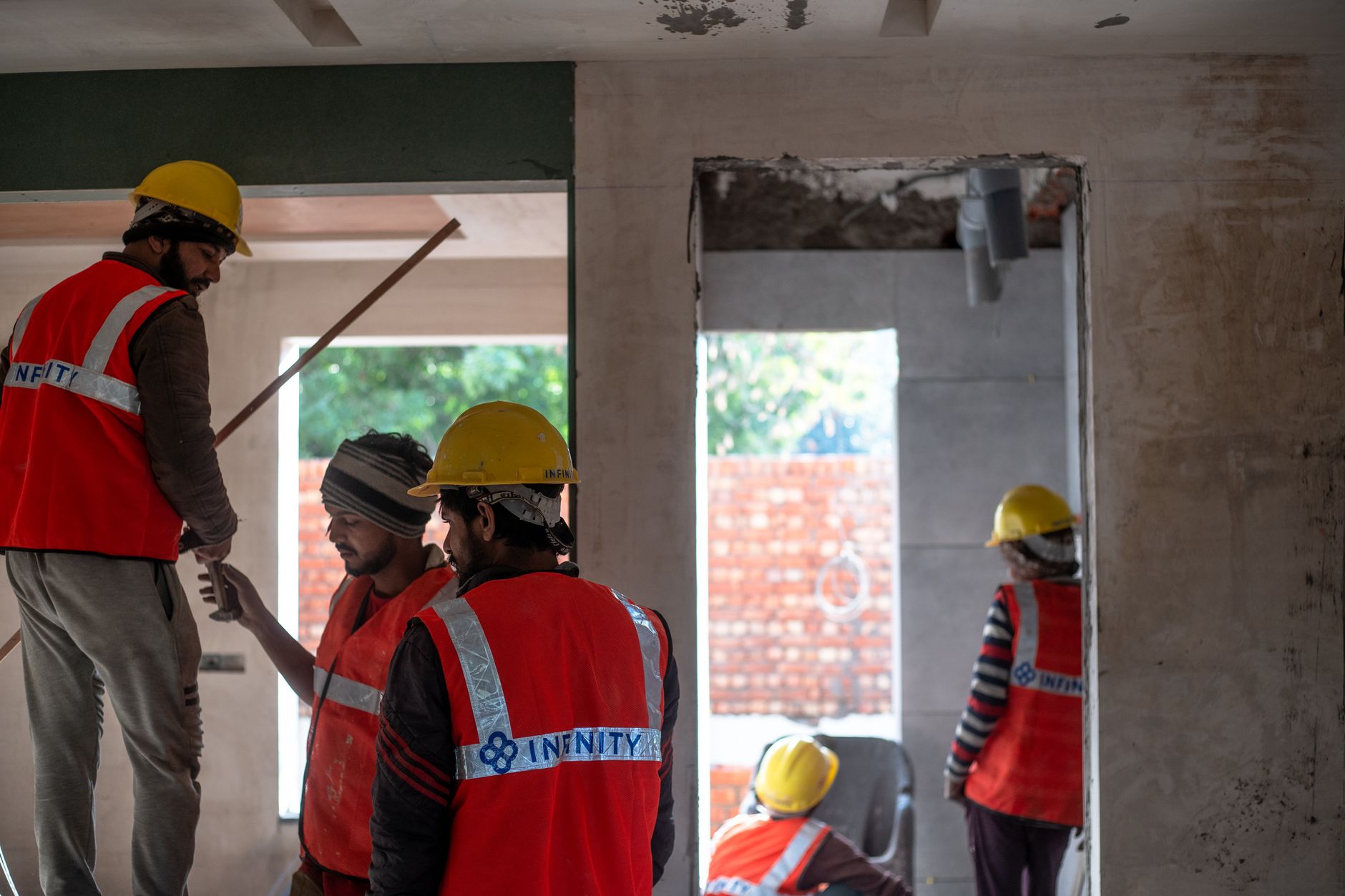
The present reality is construction. As of mid-2026, the Tata semiconductor fab was reported about 50% civil-complete after a late-2025 redesign for soil conditions, which means active construction employment on that site. Roughly 300 MW of solar is commissioned within the Dholera solar park, bringing early operational and maintenance roles. And the expressway, airport works and Activation Area trunk infrastructure represent ongoing civil and infrastructure jobs. In other words, the jobs that exist now are largely the jobs of building the city.
| Source of work | Status (mid-2026) | Type of employment |
|---|---|---|
| Tata semiconductor fab | ~50% civil-complete (May 2026) | Construction now; >20,000 direct+indirect a future target |
| Dholera solar park | ~300 MW commissioned | Early operations and maintenance; construction on further phases |
| Expressway | Operational (Mar 2026 report) | Construction largely done; some maintenance |
| Airport | ~80% complete (Jul 2026 report) | Active construction; operational roles pending opening |
| Activation Area infrastructure | Largely built | Trunk-infrastructure and civil work |
Who Dholera is being built for
It is worth remembering that Dholera is planned as a place to work and live, not only a place to buy land. The promotional Phase 3 target is roughly a million residents alongside the 800,000-plus jobs, which is a whole-city vision rather than a plot-selling one. For workers, the practical read is that opportunity here scales with the industries actually landing: construction and infrastructure first, then electronics and renewables as anchors come online, then the wider sector mix over the region's phased build. For the phasing behind that, see what is Dholera SIR and the Activation Area.
How to read Dholera as a job seeker
If you are weighing Dholera for work rather than investment, three things help. First, separate targets from live roles: an announced 20,000-plus at the fab is a future figure, so look at what is hiring on the ground now, which is largely construction and early operations. Second, follow the anchors, because the fab and solar park are the projects turning targets into real jobs first. Third, track the completion milestones rather than the headline population number, since employment grows as industries commission, not when a map is drawn. The same discipline that protects a land buyer, checking what exists today versus what is promised for 2040, protects a job seeker too.
Frequently asked questions
How many jobs will Dholera create?
Are there jobs in Dholera right now?
What sectors will Dholera employ people in?
How many jobs will the Tata semiconductor fab create?
Is Dholera only for investors, or also for workers?
When will the big Dholera job numbers actually appear?
Dholerapedia. (2026). Dholera Jobs and Employment: Sectors, Targets and Work on the Ground. Retrieved 16 July 2026, from https://dholerapedia.com/dholera-jobs-employment.htmlSources & references
- Dholerapedia fact pack, 2026: planned sectors (DICDL) including Defence, Aviation, Electronics/Semiconductors, High-Tech, Pharma & Biotech, Heavy Engineering, Auto, General Manufacturing, Agro & Food Processing, Metals, renewables
- Employment targets (all targets): SIR-wide >800,000 jobs at full development; Tata fab >20,000 direct+indirect; multi-fab vision ~100,000; old ~80,000 jobs / 1.2 lakh residents by 2020 lapsed
- On-ground 2026: Tata fab ~50% civil-complete (May 2026); ~300 MW solar commissioned; expressway operational (Mar 2026 report); airport ~80% complete (Jul 2026 report); first chip a 2026-27 target
- Dholerapedia pillar pages: Dholera semiconductor fab, Dholera solar park, what is Dholera SIR, Dholera activation area, Dholera completion date
Dholerapedia labels facts by confidence. Figures marked reported or target come from press or announcements and may change; verify anything time sensitive against the official source before acting.